Chemical Plant and System Operators
Summary
$80,030/year
Median Pay
17,980
Number of Jobs
4.0%
Job Growth(%)
719
Job Growth(#)
Chemical Plant and System Operators: A Vital Role in Modern Industry
What They Do
Chemical Plant and System Operators play a critical role in the manufacturing and production sectors. Tasked with the responsibility of maintaining and overseeing complex machinery and systems, these professionals ensure the safe and efficient creation of chemical products. Their work spans across various industries, including pharmaceuticals, plastics, food production, and even energy. By managing the processes that convert raw materials into valuable products, they contribute significantly to the backbone of modern industry and technology.
Job Responsibilities
The responsibilities of Chemical Plant and System Operators are diverse and demanding. They typically begin their day by reviewing production schedules and ensuring all equipment is operational. Operators monitor and control chemical processes through sophisticated control systems, adjusting variables such as temperature, pressure, and chemical composition to ensure optimal performance. In addition to these technical tasks, they are also responsible for performing regular maintenance, diagnosing equipment malfunctions, and adhering to strict safety protocols to prevent accidents and ensure regulatory compliance. Detailed record-keeping is essential, as operators document every aspect of the production process to track performance and quality metrics.
Essential Skills
To excel as a Chemical Plant and System Operator, several key skills are essential. Strong analytical abilities are crucial for troubleshooting and optimizing chemical processes. Operators must possess keen attention to detail to monitor multiple variables simultaneously and respond promptly to any changes. Mechanical aptitude is important for understanding and maintaining machinery. Effective communication skills are necessary for coordinating with team members and reporting issues. Moreover, a fundamental understanding of chemistry and engineering principles is vital for executing tasks accurately and safely. Adaptability and the ability to work under pressure further distinguish successful operators in this field.
Educational Pathways
Aspiring Chemical Plant and System Operators typically begin their journey with a high school diploma or GED, followed by post-secondary training. Many community colleges and technical schools offer specialized programs in chemical technology or process technology, which provide the foundational knowledge and hands-on experience required for this role. Courses in chemistry, physics, engineering, and mathematics are particularly beneficial. Additionally, some operators may start with on-the-job training, progressing through roles with increasing responsibility as they gain experience. Certifications from recognized professional bodies can further enhance career prospects and demonstrate a commitment to the profession.
Career Prospects
The demand for skilled Chemical Plant and System Operators is expected to remain steady, driven by the continual need for chemical products across various industries. Technological advancements may lead to more sophisticated machinery, requiring a higher level of expertise and potentially offering advanced career opportunities. Seasoned operators may advance to supervisory or managerial positions, overseeing larger teams and operations. Some may opt to specialize in particular types of chemical processes or industries, enhancing their niche market value. Given the diverse applications of chemical processes, opportunities are prevalent in multiple sectors, promising a stable and rewarding career.
Conclusion
Chemical Plant and System Operators are indispensable to the functioning of modern industry, ensuring the seamless conversion of raw materials into essential products. Their role, characterized by technical expertise, attention to detail, and a commitment to safety, is both challenging and fulfilling. With a solid educational background and a continuous pursuit of professional growth, individuals in this career can look forward to a promising future. As the industrial landscape evolves, the need for adept operators will persist, underlining the significance of this profession in our advancing world.
Video
Compensation
| State | Median Salary | Median Hourly | Positions |
|---|---|---|---|
| AL | 83,170 | 39.99 | 720 |
| AR | 43,540 | 20.93 | 170 |
| CA | 103,300 | 49.66 | 270 |
| CO | 61,550 | 29.59 | 160 |
| FL | 65,970 | 31.72 | 280 |
| GA | 51,330 | 24.68 | 540 |
| IN | 44,770 | 21.52 | 310 |
| IA | 58,730 | 28.24 | 180 |
| LA | 95,120 | 45.73 | 4,260 |
| MD | 84,620 | 40.68 | 380 |
| MA | 59,830 | 28.77 | 230 |
| MI | 71,420 | 34.34 | 170 |
| MN | 64,870 | 31.19 | 70 |
| MS | 67,370 | 32.39 | 200 |
| MO | 69,030 | 33.19 | 100 |
| MT | 68,320 | 32.85 | 150 |
| NJ | 106,530 | 51.22 | 190 |
| NY | 53,890 | 25.91 | 140 |
| NC | 53,350 | 25.65 | 480 |
| ND | 107,090 | 51.49 | 460 |
| OH | 66,750 | 32.09 | 880 |
| OR | 63,610 | 30.58 | 300 |
| PA | 61,260 | 29.45 | 260 |
| SC | 63,150 | 30.36 | 320 |
| SD | 54,700 | 26.30 | 210 |
| TN | 64,690 | 31.10 | 490 |
| TX | 104,620 | 50.30 | 3,870 |
| VA | 35,070 | 16.86 | 230 |
| WA | 72,110 | 34.67 | 310 |
| WV | 50,580 | 24.32 | 360 |
| WI | 64,610 | 31.06 | 110 |
Similar Occupations
In this area you will find other occupations that are close to the one you were viewing in tasks, knowledge and work environment. If the primary job profile you are viewing isn't quite to your liking, take a look around and see what else is available.
Basic and Premium Accounts have more alternative occupations available than the Free account.
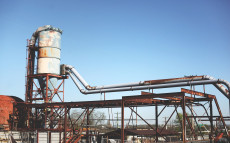
Biomass Plant Technicians - 51-8013.03
A Biomass Plant Technician operates and maintains equipment that converts organic materials into energy through processes such as combustion or anaerobic digestion. They monitor system performance, conduct inspections, troubleshoot issues, and ensure compliance with safety and environmental regulations.
-
$97,010/yr
Median Pay -
31,490
Number of Jobs
Chemical Equipment Operators and Tenders - 51-9011.00
Chemical Equipment Operators and Tenders manage and operate equipment that controls chemical changes or reactions in industrial processes. They ensure the proper functioning of machinery by monitoring pressure, temperature, and other variables, and make adjustments to maintain safety and product quality.
-
$51,720/yr
Median Pay -
120,260
Number of Jobs