Paperhangers
Summary
$48,460/year
Median Pay
1,830
Number of Jobs
23.7%
Job Growth(%)
434
Job Growth(#)
A Career in Paperhanging: Transforming Spaces with Creativity and Skill
Embarking on a career in paperhanging offers individuals a unique opportunity to blend creativity with precision. This profession, though often underestimated, plays an integral role in interior design and home improvement. For those intrigued by craftsmanship and keen on making a tangible impact on living spaces, paperhanging presents a fulfilling career path. This essay delves into the nuances of the profession, covering what paperhangers do, their job responsibilities, essential skills, educational pathways, career prospects, and a concluding reflection.
What They Do
Paperhangers, commonly known as wallpaper installers, specialize in applying wallpaper and other wall coverings to interior surfaces. Their work is pivotal in transforming mundane rooms into aesthetically pleasing environments. They prepare surfaces, measure materials with accuracy, and apply various types of wallcoverings, ensuring seamless finishes. Whether working in residential homes, commercial spaces, or public buildings, paperhangers contribute significantly to the ambiance and style of interiors.
Job Responsibilities
The responsibilities of a paperhanger encompass a variety of tasks that require meticulous attention to detail. First and foremost, they assess the condition of walls and ceilings, repairing any imperfections to ensure a smooth application surface. They then measure the area to determine the precise amount of wallpaper needed, reducing waste and extra costs. The actual hanging process involves cutting wallpaper to size, applying adhesive, and expertly positioning the paper to avoid bubbles and mismatches. Some paperhangers may also be tasked with removing old wall coverings and applying specialty materials like fabric or vinyl coverings.
Essential Skills
To excel in paperhanging, several essential skills are required. Precision and attention to detail are paramount, as errors can lead to visible flaws. Manual dexterity and strong hand-eye coordination are also crucial for cutting and aligning wallpaper accurately. Additionally, a good sense of aesthetics helps in selecting appropriate patterns and designs that complement a space. Physical stamina is needed for prolonged periods of standing, bending, and reaching. Effective communication skills are beneficial when collaborating with clients and other tradespeople, ensuring a cohesive approach to interior projects.
Educational Pathways
While formal education is not always a prerequisite for becoming a paperhanger, a high school diploma or GED is typically expected. Many paperhangers learn their trade on the job, through apprenticeships, or by attending vocational schools that offer specialized training in wall-covering installation. These programs may cover essential topics such as surface preparation, material selection, and application techniques. For those looking to enhance their credentials, certification programs offered by professional organizations, like the Wallcovering Installers Association (WIA), can provide a competitive edge in the job market.
Career Prospects
Paperhanging offers robust career prospects, particularly for those with experience and specialized skills. The demand for professional paperhangers is steady, as homeowners and businesses continually seek to refresh and update their interiors. Entry-level positions may start with modest wages, but experienced paperhangers can command higher pay, especially if they are skilled in high-end or intricate installations. Additionally, opportunities for career advancement exist, with paths leading to supervisory roles, business ownership, or even roles in interior design. The growing trend toward personalized and stylish home décor augments the ongoing need for proficient paperhangers.
Conclusion
In conclusion, a career in paperhanging combines practical skill and artistic flair, offering both challenge and satisfaction. The profession demands a blend of physical dexterity, keen attention to detail, and a sense of design. While the educational pathways are varied, many find their way into the trade through hands-on experience and vocational training. With promising career prospects and the ability to make a visible difference in personal and professional spaces, paperhanging presents an appealing career choice for those inclined toward the intersection of craftsmanship and creativity. The transformative power of a well-hung wallpaper is a testament to the paperhanger's expertise and dedication, positioning paperhangers as vital contributors to the world of interior design.
Video
Compensation
Similar Occupations
In this area you will find other occupations that are close to the one you were viewing in tasks, knowledge and work environment. If the primary job profile you are viewing isn't quite to your liking, take a look around and see what else is available.
Basic and Premium Accounts have more alternative occupations available than the Free account.
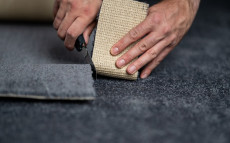
Carpet Installers - 47-2041.00
A carpet installer measures and prepares floor spaces, cuts carpeting to fit dimensions, and secures it using adhesives, staples, or tacks. They also ensure the carpet is properly stretched and fitted to avoid wrinkles and bubbles for a smooth, professional finish.
-
$47,520/yr
Median Pay -
15,560
Number of Jobs

Drywall and Ceiling Tile Installers - 47-2081.00
Drywall and Ceiling Tile Installers are responsible for measuring, cutting, and fitting drywall sheets to create walls and ceilings, and they expertly install ceiling tiles to provide a finished surface. They ensure structures have a smooth, even appearance by taping, mudding, and sanding joints between drywall panels for seamless integration.
-
$55,700/yr
Median Pay -
90,860
Number of Jobs