Graders and Sorters, Agricultural Products
Summary
$34,360/year
Median Pay
23,430
Number of Jobs
2.6%
Job Growth(%)
609
Job Growth(#)
Graders and Sorters, Agricultural Products
What They Do
Graders and sorters of agricultural products play an essential role in the food supply chain by ensuring that products meet specific standards before they reach consumers. These professionals inspect, sort, and grade agricultural products based on size, weight, appearance, and other factors. Their work is crucial for maintaining quality control, which, in turn, affects consumer satisfaction, pricing, and marketability of agricultural goods. Through their meticulous examination, they help eliminate substandard products and ensure that only the best quality items reach the market.
Job Responsibilities
The job responsibilities of graders and sorters of agricultural products are varied and multifaceted. They manually inspect and classify an array of products such as fruits, vegetables, grains, and nuts. Using their keen sense of observation, they identify defects and separate inferior items from high-quality products. This separation might involve removing foreign materials and contaminants to ensure the purity of the agricultural goods. These professionals often use tools and equipment such as scales, graders, and sorting machines to aid in their work. Additionally, they are responsible for documenting their findings and ensuring accurate records, which are vital for tracking quality and compliance with industry standards.
Essential Skills
To excel as a grader and sorter of agricultural products, several essential skills are required. First and foremost is attention to detail. These professionals must be adept at spotting minor imperfections that could affect product quality. Physical stamina is also crucial since the job often involves standing for long periods and repetitive movements. Hand-eye coordination is indispensable for efficiently sorting and grading products. Communication skills are vital for collaborating with other workers and supervisors to ensure quality standards are met. Moreover, basic arithmetic skills are necessary for tasks involving weights and measurements. Lastly, the capacity to use and maintain various tools and machinery is essential for the operational aspects of the role.
Educational Pathways
The pathway to becoming a grader and sorter of agricultural products typically does not require extensive formal education. A high school diploma or equivalent is usually sufficient for entry-level positions. However, coursework in agricultural sciences, biology, or related fields may provide an advantageous understanding of the products being graded and sorted. On-the-job training is often provided, where new hires learn the specific grading criteria, machinery operation, and safety protocols. For those seeking career advancement or specialization, certification programs in agricultural quality control can be beneficial. Additionally, workshops and short courses offered by agricultural extension services or community colleges can further enhance a candidate's skill set and knowledge base.
Career Prospects
Career prospects for graders and sorters of agricultural products are generally favorable, given the consistent demand for agricultural quality control. Positions are available in various settings, including farms, food processing plants, and distribution centers. There is a steady need for these workers to ensure product quality and compliance with food safety regulations. While the role may start at an entry-level position, experienced graders and sorters can move into supervisory roles or specialize in high-demand agricultural products, potentially commanding higher wages. Moreover, the rise of organic and specialty food markets provides additional opportunities for those with expertise in specific grading standards.
Conclusion
Graders and sorters of agricultural products play an indispensable role in maintaining the quality and reliability of the food supply chain. With responsibilities that range from inspecting and sorting to meticulously documenting and ensuring compliance, these professionals ensure that only the best agricultural products reach consumers. While the educational requirements are minimal, possessing essential skills such as attention to detail and physical stamina are crucial for success in this career. The job offers a stable career prospect with opportunities for advancement and specialization, making it a viable and rewarding option for those passionate about agriculture and quality control. As the demand for high-quality agricultural products continues to grow, the role of graders and sorters will remain a vital component of the agricultural industry.
Video
Compensation
| State | Median Salary | Median Hourly | Positions |
|---|---|---|---|
| AL | 35,370 | 17.00 | 490 |
| AR | 36,500 | 17.55 | 1,220 |
| CA | 34,560 | 16.62 | 5,260 |
| CO | 30,830 | 14.82 | 200 |
| DE | 37,080 | 17.83 | 180 |
| FL | 28,730 | 13.81 | 1,340 |
| GA | 33,900 | 16.30 | 1,840 |
| ID | 30,300 | 14.57 | 860 |
| IL | 33,900 | 16.30 | 190 |
| IN | 41,700 | 20.05 | 30 |
| IA | 38,130 | 18.33 | 340 |
| KS | 43,570 | 20.95 | 220 |
| KY | 32,840 | 15.79 | 190 |
| LA | 33,900 | 16.30 | 140 |
| MD | 39,790 | 19.13 | 230 |
| MI | 30,120 | 14.48 | 250 |
| MN | 49,990 | 24.03 | 50 |
| MS | 31,610 | 15.20 | 780 |
| MO | 36,940 | 17.76 | 420 |
| NE | 43,150 | 20.74 | 150 |
| NJ | 32,790 | 15.77 | 410 |
| NM | 29,120 | 14.00 | 40 |
| NC | 32,080 | 15.42 | 830 |
| ND | 40,830 | 19.63 | 180 |
| OH | 37,960 | 18.25 | 210 |
| OK | 32,860 | 15.80 | 200 |
| OR | 33,280 | 16.00 | 980 |
| PA | 37,740 | 18.15 | 500 |
| SC | 32,370 | 15.56 | 110 |
| SD | 37,420 | 17.99 | 390 |
| TN | 34,570 | 16.62 | 430 |
| TX | 34,570 | 16.62 | 1,820 |
| VA | 35,130 | 16.89 | 260 |
| WA | 34,160 | 16.43 | 2,190 |
| WV | 33,930 | 16.31 | 70 |
| WI | 32,860 | 15.80 | 160 |
Similar Occupations
In this area you will find other occupations that are close to the one you were viewing in tasks, knowledge and work environment. If the primary job profile you are viewing isn't quite to your liking, take a look around and see what else is available.
Basic and Premium Accounts have more alternative occupations available than the Free account.
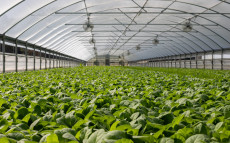
Farmworkers and Laborers, Crop, Nursery, and Greenhouse - 45-2092.00
Farmworkers and Laborers in the crop, nursery, and greenhouse sectors are responsible for planting, cultivating, and harvesting crops, as well as maintaining the health of plants and flowers. Their tasks often include soil preparation, irrigation, pest control, and basic maintenance of farm equipment and facilities.
-
$34,470/yr
Median Pay -
258,730
Number of Jobs
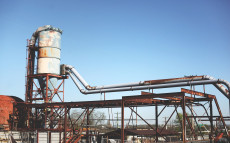
Food and Tobacco Roasting, Baking, and Drying Machine Operators and Tenders - 51-3091.00
Food and Tobacco Roasting, Baking, and Drying Machine Operators and Tenders are responsible for operating machines to roast, bake, or dry food and tobacco products. They monitor equipment, adjust controls, and ensure products meet specified quality standards throughout the processing stages.
-
$39,850/yr
Median Pay -
19,570
Number of Jobs