Diagnostic Medical Sonographers
Summary
$84,470/year
Median Pay
82,780
Number of Jobs
1.0%
Job Growth(%)
828
Job Growth(#)
Diagnostic Medical Sonographers: Pioneers in Medical Imaging
What They Do
Diagnostic Medical Sonographers, often known simply as sonographers, play an indispensable role in the healthcare system. Their primary task is using specialized imaging equipment that directs sound waves into a patient's body to produce diagnostic images. These images offer a detailed glimpse of internal organs, blood vessels, and tissues, aiding physicians in the diagnosis and treatment of various medical conditions. Unlike many other imaging techniques, sonography is non-invasive and free of ionizing radiation, which emphasizes its safety and efficacy.
Job Responsibilities
The responsibilities of Diagnostic Medical Sonographers are multifaceted. They begin each day by preparing and maintaining sonographic equipment, ensuring it is functioning correctly and ready for patient use. During patient examinations, sonographers apply a special gel to the skin that improves sound wave transmission, then move the transducer—a small hand-held device—over the targeted area. They must position this device accurately to capture clear, precise images which are instantly visible on a monitor. Beyond capturing images, they may also analyze the visual data to identify abnormalities and present their findings to the attending physicians. Additionally, they provide patients with detailed explanations of the procedures, maintaining compassionate and effective communication throughout their interactions.
Essential Skills
Diagnostic Medical Sonographers require a blend of technical prowess and interpersonal skills. A keen eye for detail is essential, as capturing clear and accurate images directly impacts diagnostic precision. Analytical skills are also vital, as sonographers must interpret images and identify potential issues. Moreover, they must be adept in using sophisticated sonographic equipment, which mandates robust technical training. Interpersonal skills are equally important; sonographers often serve as a bridge between anxious patients and medical professionals, necessitating empathy, effective communication, and the ability to explain complex procedures in plain terms.
Educational Pathways
The journey to becoming a Diagnostic Medical Sonographer typically begins with acquiring a high school diploma, with a strong emphasis on subjects like math, biology, and physics. Post secondary education varies but commonly includes completing an accredited sonography program, which may result in an associate's degree, bachelor's degree, or a professional certificate in diagnostic medical sonography. These programs integrate both classroom learning and hands-on clinical training. Coursework encompasses anatomy, medical ethics, and specialized sonography techniques. Post-graduation, sonographers often pursue certification through recognized professional organizations—such as the American Registry for Diagnostic Medical Sonography (ARDMS)—to enhance their credentials and job prospects.
Career Prospects
The job outlook for Diagnostic Medical Sonographers is exceptionally promising. According to data from the Bureau of Labor Statistics, employment in the field is expected to grow faster than the average for all occupations. This surge is fueled by the increasing demand for non-invasive diagnostic procedures and the escalating health needs of an aging population. Sonographers are in demand across various healthcare settings, including hospitals, diagnostic laboratories, outpatient care centers, and specialized medical practices. As technologies advance, the role of sonographers in providing critical diagnostic information will only expand, offering an array of opportunities for career growth and specialization.
Conclusion
In sum, Diagnostic Medical Sonographers are pivotal in the realm of modern medical diagnostics. Their expertise in capturing and interpreting sonographic images enables accurate diagnoses and effective treatment plans, contributing significantly to patient care. The combination of technical skills, attention to detail, and compassionate patient interaction makes this a uniquely rewarding career. With a solid educational foundation and a favorable job market, aspiring sonographers can look forward to a future replete with professional challenges and opportunities, ensuring their place as vital members of the medical community.
Video
Compensation
| State | Median Salary | Median Hourly | Positions |
|---|---|---|---|
| AL | 63,860 | 30.70 | 1,050 |
| AK | 93,840 | 45.11 | 270 |
| AZ | 95,340 | 45.84 | 1,590 |
| AR | 75,620 | 36.36 | 530 |
| CA | 119,120 | 57.27 | 8,600 |
| CO | 101,840 | 48.96 | 1,560 |
| CT | 98,590 | 47.40 | 990 |
| DE | 84,450 | 40.60 | 230 |
| DC | 92,890 | 44.66 | 300 |
| FL | 78,210 | 37.60 | 5,660 |
| GA | 79,520 | 38.23 | 2,450 |
| HI | 113,010 | 54.33 | 280 |
| ID | 90,630 | 43.57 | 420 |
| IL | 90,400 | 43.46 | 3,360 |
| IN | 81,190 | 39.04 | 1,370 |
| IA | 80,760 | 38.83 | 700 |
| KS | 85,700 | 41.20 | 730 |
| KY | 75,730 | 36.41 | 980 |
| LA | 69,090 | 33.21 | 890 |
| ME | 83,380 | 40.09 | 330 |
| MD | 89,050 | 42.81 | 1,150 |
| MA | 98,610 | 47.41 | 2,200 |
| MI | 77,900 | 37.45 | 3,200 |
| MN | 99,960 | 48.06 | 1,480 |
| MS | 69,430 | 33.38 | 650 |
| MO | 83,490 | 40.14 | 1,250 |
| MT | 85,230 | 40.98 | 220 |
| NE | 77,620 | 37.32 | 660 |
| NV | 85,330 | 41.03 | 490 |
| NH | 87,700 | 42.16 | 290 |
| NJ | 92,980 | 44.70 | 2,580 |
| NM | 81,010 | 38.95 | 300 |
| NY | 96,840 | 46.56 | 5,960 |
| NC | 81,500 | 39.18 | 3,370 |
| ND | 83,290 | 40.04 | 160 |
| OH | 79,300 | 38.13 | 3,230 |
| OK | 78,570 | 37.78 | 890 |
| OR | 105,680 | 50.81 | 1,050 |
| PA | 78,520 | 37.75 | 3,300 |
| RI | 100,580 | 48.35 | 350 |
| SC | 78,730 | 37.85 | 1,240 |
| SD | 67,430 | 32.42 | 340 |
| TN | 76,230 | 36.65 | 2,080 |
| TX | 81,660 | 39.26 | 7,360 |
| UT | 93,600 | 45.00 | 510 |
| VT | 95,900 | 46.11 | 110 |
| VA | 83,200 | 40.00 | 2,020 |
| WA | 101,530 | 48.81 | 2,020 |
| WV | 66,060 | 31.76 | 530 |
| WI | 99,760 | 47.96 | 1,430 |
| WY | 90,310 | 43.42 | 110 |
Similar Occupations
In this area you will find other occupations that are close to the one you were viewing in tasks, knowledge and work environment. If the primary job profile you are viewing isn't quite to your liking, take a look around and see what else is available.
Basic and Premium Accounts have more alternative occupations available than the Free account.

Cardiovascular Technologists and Technicians - 29-2031.00
Cardiovascular Technologists and Technicians are healthcare professionals who assist physicians in diagnosing and treating heart and blood vessel conditions by performing diagnostic tests such as electrocardiograms (EKGs) and vascular ultrasounds. They also monitor patients' heart rates and help during procedures like cardiac catheterizations and angioplasties.
-
$66,170/yr
Median Pay -
55,660
Number of Jobs
Endoscopy Technicians - 31-9099.02
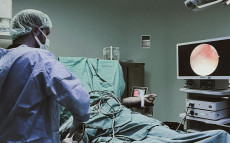
An Endoscopy Technician assists in medical procedures by preparing and maintaining endoscopic equipment, ensuring everything is sterile and functioning properly. They also support healthcare professionals during endoscopies by managing instruments, assisting with patient care, and documenting procedure details.
-
$44,490/yr
Median Pay -
102,230
Number of Jobs